
Under-eye bags are a common aesthetic concern that can make the face look tired, even after a good night’s sleep. They appear under the lower eyelid and can disrupt the natural harmony of the eye area. Under-eye bags can have multiple causes, including aging, genetic factors or fluid retention in the tissues. Understanding the origin of these changes helps identify the most suitable solutions. Some everyday approaches can soften their appearance, but when the bags become persistent, a professional under-eye bag treatment may be considered.

Under-eye bags are a visible swelling under the lower eyelid that changes the appearance of the eyes and sometimes makes the face look tired. This occurs when volume builds up in the eye area. In many cases, under-eye bags are caused by herniation of orbital fat or fluid accumulation in the orbital tissues.
Anatomically, the eye rests on a cushion of fat held in place by a membrane, the orbital septum. Over time, this structure can weaken and allow the fat to move forward, creating a bulge under the eye. This change is one of the main reasons under-eye bags become more visible with age.
It is also important to distinguish dark circles from under-eye bags. Bags are an excess of volume, while dark circles are generally hollows or discoloration under the eye. Both conditions can appear at the same time.
Not all under-eye bags have the same characteristics. Identifying their type is essential to determine which under-eye bag treatment can be considered.
Fat bags are the most common. They are caused by herniation of orbital fat that moves forward when the orbital septum weakens. This type of under-eye bag is generally permanent and does not go away during the day. They often appear after age forty, but some people are genetically predisposed to them.
Fluid bags are related to fluid retention and slower lymphatic drainage in the periorbital area. They are often more visible in the morning and can gradually decrease during the day.
Malar bags sit slightly lower on the cheekbone and result from fluid accumulation in the malar tissue. In many cases, dark circles and under-eye bags appear together, which requires a professional assessment to determine the right approach.
The causes of under-eye bags are numerous and can be due to anatomical, genetic or lifestyle factors. Understanding these mechanisms helps explain why under-eye bags appear earlier or more intensely in some people.
Aging is one of the most common factors. Over time, collagen and elastin production decreases, leading to skin laxity and a weakening of the orbital septum. The orbital fat can then move forward and form a swelling under the eye.
Genetics also play an important role. Some people develop under-eye bags as early as their twenties due to a family predisposition.
Lifestyle habits also influence their appearance. Lack of sleep, alcohol, smoking and high salt intake can increase fluid retention. In these situations, the appropriate under-eye bag treatment will depend on the main cause.
If you are wondering what to do about under-eye bags, a few simple habits can help temporarily reduce the swelling. Although these solutions cannot always eliminate under-eye bags permanently, they can improve the appearance of the eye area.
Applying cold compresses can help decongest the tissues and reduce fluid retention under the lower eyelid. Cold causes vasoconstriction, which temporarily reduces the swelling of under-eye bags.
Sleeping with your head slightly elevated also promotes lymphatic drainage overnight and limits fluid buildup upon waking.
It is also recommended to reduce salt intake and stay well hydrated. Gentle massages around the eye can stimulate local blood circulation. However, when the bags are associated with fat herniation, a professional under-eye bag treatment may be necessary.
When at-home care is no longer enough, several under-eye bag treatment options can be considered. The choice depends on the type of under-eye bags, their origin and the quality of the skin around the eyes. Some aesthetic medicine approaches can improve the appearance of the eye area in certain cases, while more pronounced bags may require surgery.
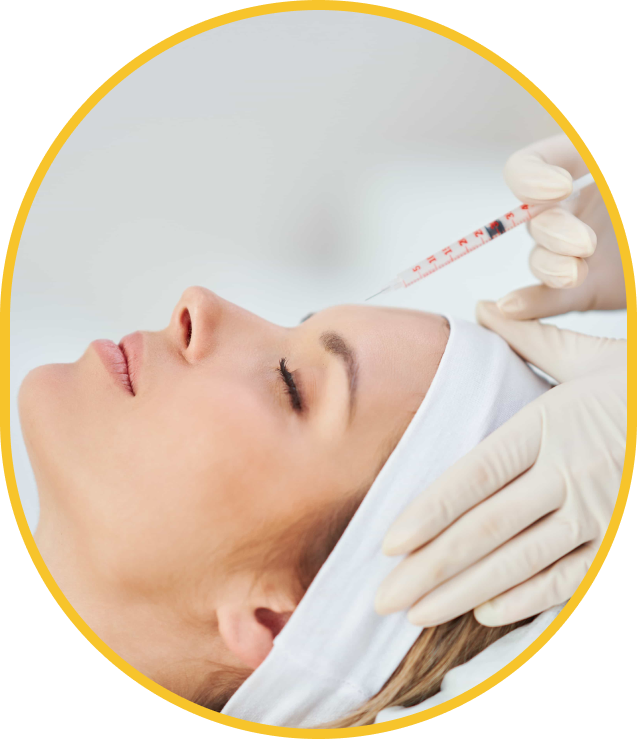
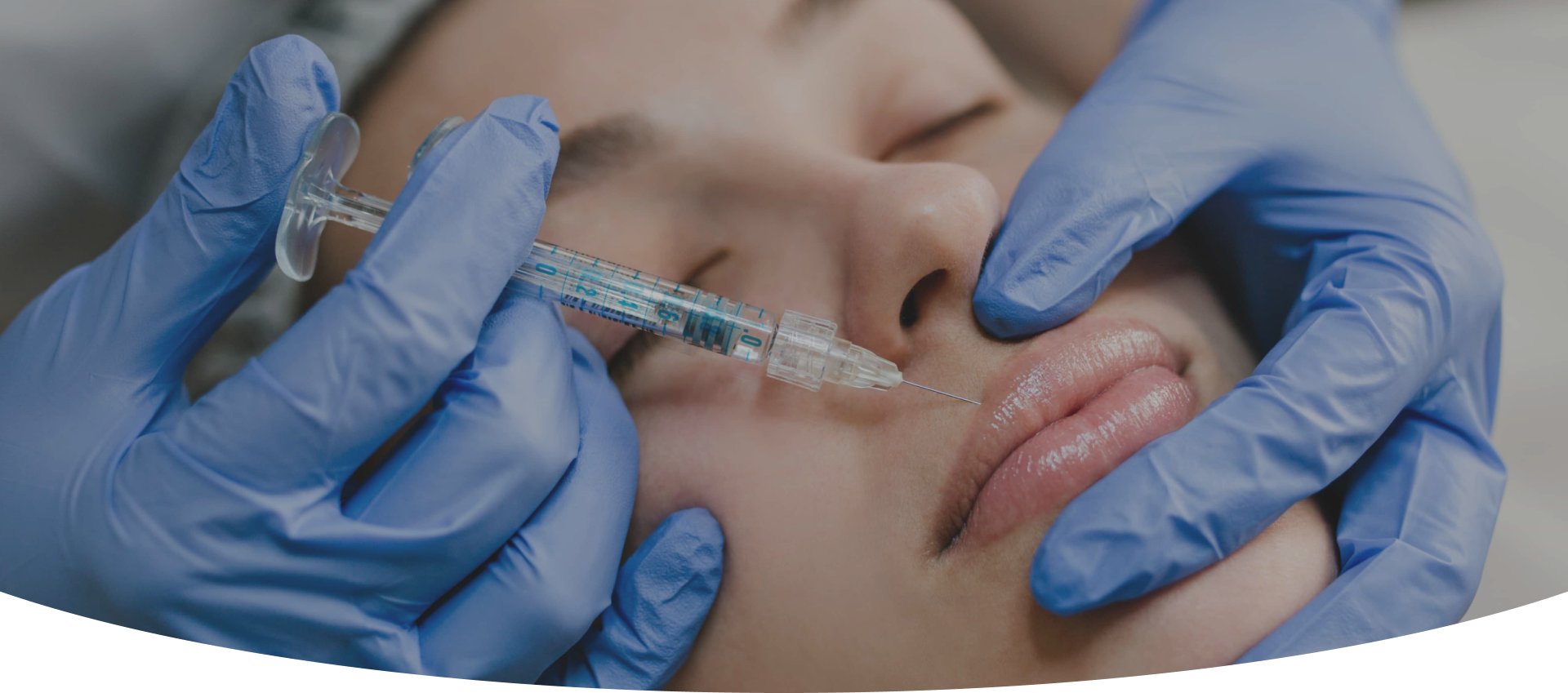
Some aesthetic medicine approaches can improve the appearance of under-eye bags when they are mild or associated with hollow dark circles. Hyaluronic acid injections, for example, can soften the shadow under the eye by harmonizing the tear trough. You can learn more about this approach on the hyaluronic acid injections in Montreal page.
Skin-tightening technologies, such as radiofrequency, stimulate collagen production and improve the quality of the skin around the eyes. The clinic uses radiofrequency microneedling, a technology that can help gradually improve the appearance of under-eye bags as part of a non-surgical treatment.
When surgery becomes necessary for under-eye bags, lower blepharoplasty is often considered the most effective solution for correcting significant fat bags. This procedure aims to remove or reposition the excess orbital fat responsible for the swelling under the lower eyelid.
Depending on the situation, the surgery can be performed transconjunctivally, meaning no visible scar appears on the surface of the skin. In other cases, a subciliary approach may also be used to correct excess skin.
During a consultation at Clinique Main d’Or, an assessment of the eye area helps determine whether a non-surgical solution for under-eye bags is appropriate or whether under-eye bag surgery should be considered.
Confusion between dark circles and under-eye bags is common, as both conditions are located in the same area of the face and can make the eyes look tired. Yet under-eye bags and dark circles involve distinct mechanisms that require specific treatment approaches.
Under-eye bags result from excess volume under the lower eyelid. This swelling may be due to herniation of orbital fat or fluid accumulation related to fluid retention. This changes the shape of the eye area and can create a visible shadow.
Dark circles, on the other hand, generally correspond to a hollow, called the tear trough, or a darker discoloration under the eye. In many cases, dark circles and under-eye bags appear together, as the bag casts a shadow that visually accentuates the dark circles.
To better understand dark circles, see the “hollow or dark circles” page.
At Clinique Main d’Or, the assessment of under-eye bags is based on a complete analysis of the eye area to determine the most suitable treatment. Each consultation aims to identify the cause of the swelling and distinguish between fat, fluid or malar bags.
During this assessment, practitioners also examine the relationship between bags and dark circles to understand how these structures influence the appearance of the eyes. This analysis makes it possible to establish an under-eye bag treatment plan, with personalized treatment based on facial structure and skin quality.
Some situations can be treated with aesthetic medicine approaches aimed at harmonizing the eye area and improving skin texture. Other cases require referral to more specific solutions.
Consultations can be booked directly on the appointment booking page for an under-eye bag assessment.