


What is Photorejuvenation?
Photorejuvenation is performed using "Intense Pulsed Light" (IPL) devices. By passing through the epidermis without damaging it, the pulsed light creates heat in the dermis, acting on three targets that are particularly beneficial for skin rejuvenation:
- Capillary vessels, to reduce redness and red spots.
- Melanin pigments, to erase brown spots and even out skin tone.
- Fibroblasts, the cells that produce new natural collagen, and the collagen itself by promoting its contraction, which firms the skin.
This treatment may not be suitable for certain darker or recently tanned skin tones and must be assessed during consultation.
When to consider a photorejuvenation treatment
The general appearance of aging skin is primarily linked to the cumulative harmful effects of repeated sun exposure. UV rays damage skin components, particularly collagen and elastin. The skin loses its thickness, firmness, and, most importantly, its elasticity.
In older individuals who have had significant sun exposure, these signs are more pronounced on the face, neck, décolleté, and hands.
This technique can be used for:
- Hyperpigmentation, skin spots (melasma), brown spots related to skin aging or solar lentigines,
- Skin redness, rosacea, or acne,
- Certain fine lines
- Loss of elasticity
- Enlarged pores
- Dull, lackluster skin.
- Cannot be used on dark, black, or tanned skin.
The brown spot photorejuvenation treatment targets the melanin deposits responsible for facial pigment spots. The pulsed light breaks down these pigment concentrations, which then naturally migrate to the skin's surface before being eliminated through physiological exfoliation. "Solar lentigines" and age-related spots are among the lesions that respond best to pulsed light photorejuvenation. If your brown spots darken in the days following the session, it is a sign that the treatment is working deep within the pigment.
Photorejuvenation treats enlarged pores by using intense pulsed light to stimulate fibroblasts in the dermis, triggering the production of new, natural collagen. This collagen gradually firms the dermal tissues around the follicular openings, reducing the apparent diameter of the pores over the course of the sessions. This action on the dermal structure also helps to tighten enlarged pores and refine skin texture, which becomes smoother as the collagen consolidates between treatments.
Contraindications for photorejuvenation
Although intense pulsed light (IPL) photorejuvenation is a widely used, non-invasive treatment, certain contraindications must be observed to ensure the safety and effectiveness of the procedure. A preliminary assessment is essential before considering this treatment.
Photorejuvenation cannot be performed on skin that is tanned or has been recently exposed to the sun or artificial UV rays. The presence of a tan significantly increases the risk of burns and pigmentary disorders.
As a precautionary measure, the treatment is not recommended for pregnant or breastfeeding women. It is also contraindicated for those taking photosensitizing medications or who have recently undergone isotretinoin treatment.
Active skin infections, inflammatory lesions, or any suspicious lesions on the area to be treated require the treatment to be postponed and, in some cases, require prior medical advice.
Very dark skin types require a specific assessment, as the skin reacts differently to pulsed light. Similarly, certain collagen-related diseases may constitute a relative contraindication. A consultation allows us to adapt the protocol or propose an alternative if necessary.
This treatment may not be suitable for certain darker or recently tanned skin tones and must be assessed during consultation.
The procedure at our clinic
Before any procedure, the technician will conduct an initial consultation to review your medical history and rule out any contraindications that might prevent you from undergoing this treatment. This is also an opportunity to examine your skin and determine your skin type (light, dark, or matte, etc.).
Before starting, the technician covers moles and tattoos using only white. They configure the device according to your skin type and the skin imperfections in the area to be treated (texture, spots, spider veins). Then, they provide you with protective eyewear and put on their own.
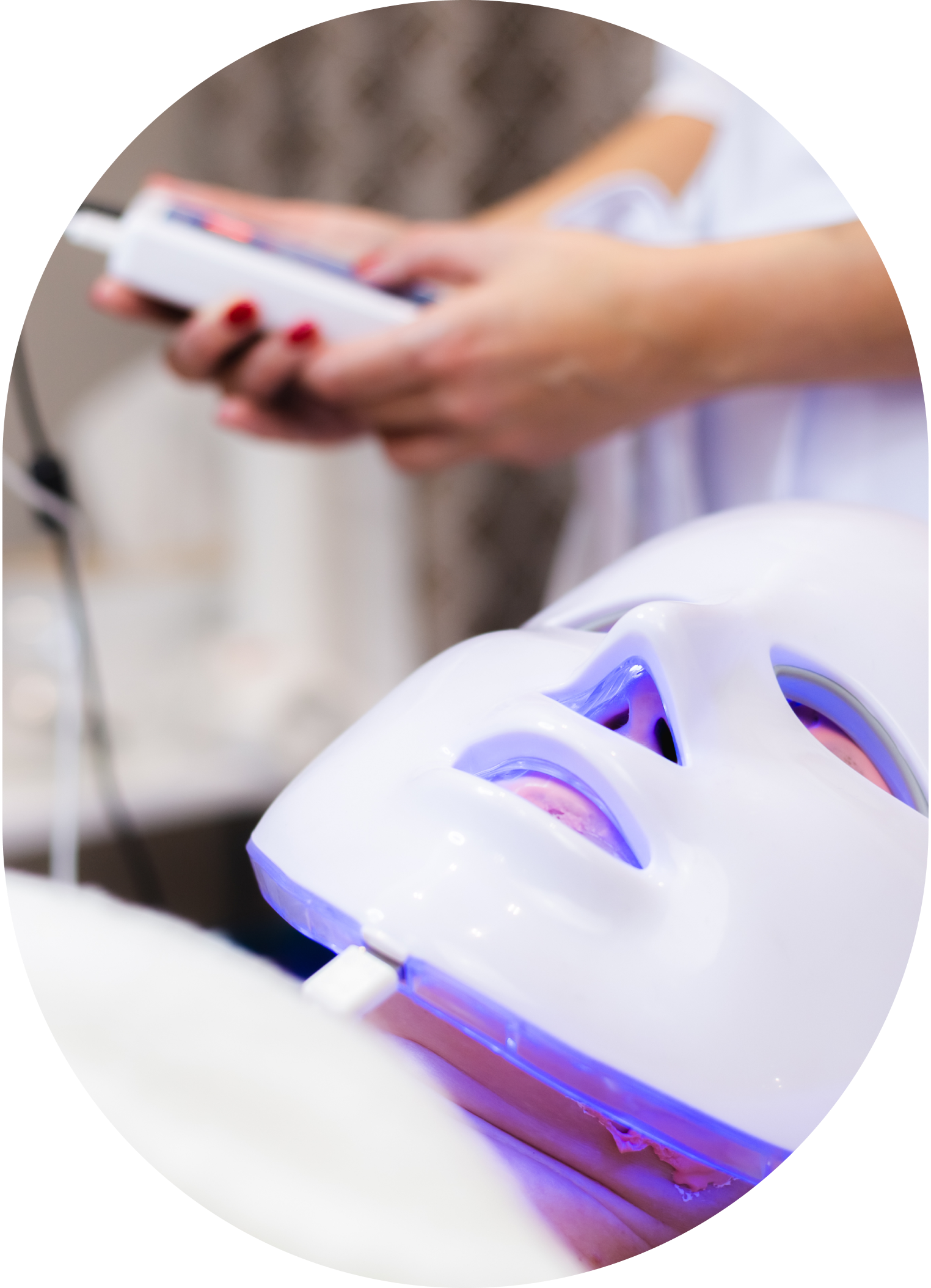
The technician applies a cold, transparent gel to a small area. They then position the optical handpiece on the gel in the treatment area and trigger the flash by pressing the button. They continue by moving the handpiece across the entire area to be treated.
This treatment may not be suitable for certain darker or recently tanned skin tones and must be assessed during consultation.
The benefits of photorejuvenation
A treatment that effectively meets expectations. It is powerful enough to achieve results, yet gentle enough to avoid burns. Recovery is simple, and patients can resume their normal lives immediately. It allows for the rejuvenation of the skin on the face, neck, décolleté, and hands without pain, bothersome redness, or the need for bandages.
Intense pulsed light is widely used in facial rejuvenation programs and combines well with other skin treatments. No other technology provides the tightening long-term results that photorejuvenation offers.
Advice from our anti-aging clinic:
BEFORE: Do not apply any cream or makeup.
DURING: The treatment lasts 30 minutes. During the procedure, the flashes of light may cause slight discomfort depending on the areas treated and the individual. It feels similar to a light snap of a rubber band against the skin.
AFTER: Redness may appear immediately after the session but will disappear within a few hours.
The brown spots treated areas will darken for a few days, especially after the first session. Sometimes, a very fine crust may form directly over the brown spots. It will shed within 5 to 6 days.
AFTERCARE: You may resume your activities as soon as the treatment is finished.
If you experience any tingling after the session, it is recommended to apply a repairing cream.
Apply sun protection.
Tanning must be strictly avoided during this treatment.
This treatment may not be suitable for certain darker or recently tanned skin tones and must be assessed during consultation.
Expected results
The first results are visible a few weeks after the first session. 3 to 4 sessions at 1-month intervals are necessary to significantly improve the skin and complexion. The rejuvenating effect is natural, and the skin takes on a new radiance. Redness fades and brown pigment spots disappear quickly. The skin looks smoother and more radiant, as if rejuvenated. Rough skin texture is noticeably smoothed.
Deep wrinkles are not treated by this type of procedure, but very fine lines and crepey skin texture can be improved.
The results obtained are long-lasting, especially if you take care of your skin. It is advisable to have a maintenance session every six to eighteen months.
FAQ on
Photorejuvenation
Is photorejuvenation painful?
Is IPL photorejuvenation effective against melasma and pregnancy-related brown spots?
Why do my brown spots get darker after a photorejuvenation session—is this normal?
How long do the results of photorejuvenation last?
Is photorejuvenation effective for reducing enlarged pores?
How many photorejuvenation sessions are needed to improve enlarged pores?



Main d’or Clinic


