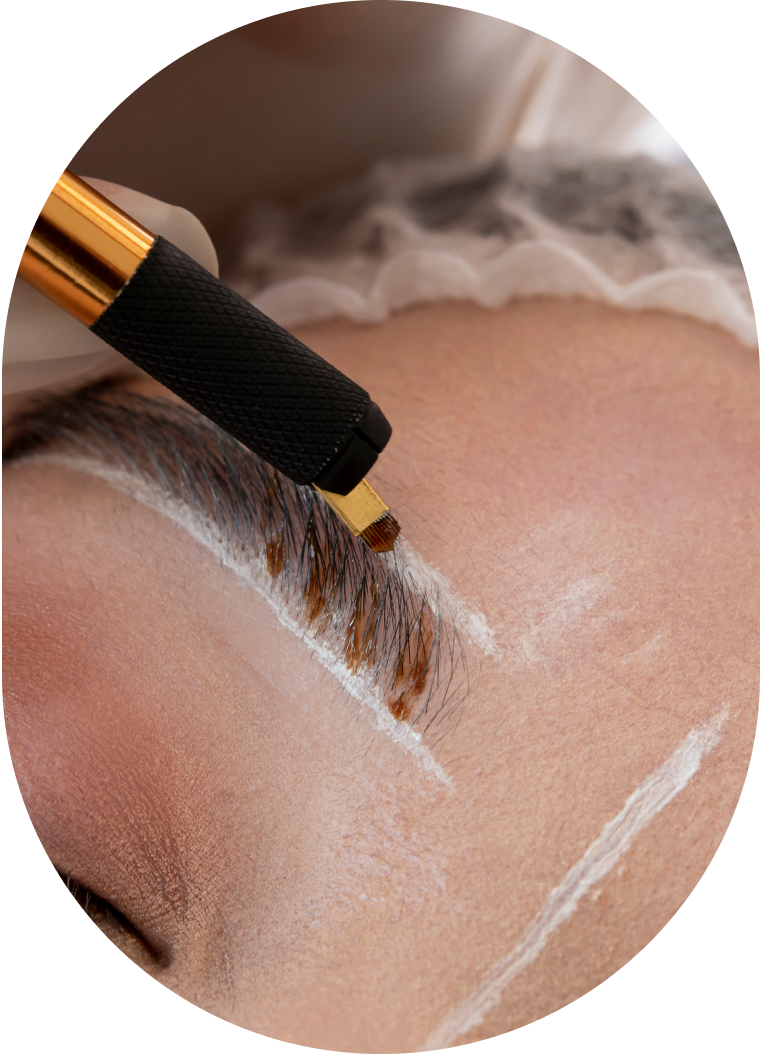


Wrinkles and fine lines develop when the skin loses its elasticity and folds form, particularly in areas of the face that are frequently used. Fine lines are often superficial, while deep wrinkles require more targeted anti-wrinkle treatment. Through our treatments, we help restore your skin's firmness and texture for a younger, revitalized appearance.


Facial wrinkles and fine lines are natural signs of aging, often accentuated by facial movements, sun exposure, and collagen loss. At Clinique Main D'Or, we offer tailored anti-wrinkle treatments to smooth out fine lines and reduce deep wrinkles. Our solutions combine advanced technology with personalized care for visible, long-lasting skin rejuvenation.
This treatment may not be suitable for certain darker or recently tanned skin tones and must be assessed during consultation.


Subscript
Facial wrinkles and fine lines result from several biological and environmental factors that affect the skin over time. Natural skin aging plays a central role: starting at age 25, the production of collagen and elastin slows down, leading to a loss of firmness and elasticity.
Facial wrinkles form through two distinct mechanisms. Dynamic wrinkles, or expression lines, arise from the repeated contraction of facial muscles (forehead, crow's feet, glabellar lines) and are initially visible only during facial expressions. Static or volume-related wrinkles persist at rest and result from the gradual loss of collagen and supporting tissue. This distinction is crucial for choosing the most appropriate anti-wrinkle treatment approach: dynamic and static wrinkles do not respond to the same solutions and require different protocols, which our clinic professionals will establish during your initial consultation.
Sun exposure is one of the primary aggravating factors. UV rays accelerate photoaging and are responsible for a large portion of premature wrinkles by breaking down the skin's supporting fibers.
Repeated facial expressions also contribute to the formation of expression lines, particularly on the forehead and around the eyes and mouth. Lifestyle factors—such as smoking, alcohol, an unbalanced diet, dehydration, and lack of sleep—further accelerate skin aging. Finally, genetics influence skin thickness and the speed at which wrinkles appear.
This treatment may not be suitable for certain darker or recently tanned skin tones and must be assessed during consultation.
Fine lines are thin, superficial lines, generally less than a millimeter deep. They often appear first, particularly around the eyes and mouth, and are frequently linked to skin dehydration, early collagen loss, and a decrease in skin elasticity. Wrinkles, on the other hand, are deeper and more pronounced. They result from more advanced skin aging, structural collagen loss, and sometimes a loss of facial volume. Wrinkles can be visible even at rest. While fine lines can sometimes be improved with moisturizing skincare or light treatments, wrinkles generally require targeted procedures like hyaluronic acid or botulinum toxin injections to achieve visible results.
The first fine lines can appear as early as age 25, when the natural production of collagen and elastin begins to gradually decline. Initially, these marks are often subtle and visible only during facial expressions. Around age 30, mild expression lines, particularly on the forehead and around the eyes, become more apparent. Deeper wrinkles generally set in between the ages of 40 and 50, as the loss of firmness and volume becomes more pronounced. However, the age of onset varies considerably depending on genetics, sun exposure, smoking, stress, and lifestyle habits. Early prevention and appropriate care can significantly slow their progression.
It is possible to slow the appearance of wrinkles and fine lines through appropriate prevention, even though skin aging remains a natural process. Daily sun protection plays an essential role, as UV exposure is one of the main factors in premature skin aging. Proper hydration, both through the application of suitable skincare and sufficient water intake, also helps preserve skin elasticity. A diet rich in antioxidants, quality sleep, and quitting smoking all contribute to maintaining firmer skin for longer. Preventive treatments at a medical aesthetic clinic can also be considered to support skin quality and delay the onset of visible wrinkles.
Wrinkles and fine lines generally do not disappear spontaneously without intervention. Superficial fine lines, often linked to dehydration or early collagen loss, can sometimes be reduced through better hydration and appropriate skincare. In contrast, deeper wrinkles caused by structural skin loss and repeated expressions tend to become permanent over time. Without targeted treatment, they can gradually deepen. Medical aesthetic approaches can visibly improve the appearance of wrinkles and fine lines by acting on the skin's texture, volume, or tone. A personalized consultation will help determine the most appropriate solutions for your specific situation.
Distinguishing between expression lines and static wrinkles is essential for choosing the right treatment: dynamic wrinkles are softened with botulinum toxin type A, which relaxes the underlying muscles, while static wrinkles respond to hyaluronic acid (HA) injections or treatments that stimulate collagen production. In some cases, both types coexist on the same face, requiring a combined approach. Our clinic professionals assess the type of wrinkles present during your consultation to recommend the most suitable approach for your specific needs.
The duration of results varies depending on the treatment used and the type of wrinkles being addressed. Botulinum toxin type A generally provides visible effects for three to six months, depending on the area treated and individual response. Hyaluronic acid (HA) injections typically last between six and eighteen months, depending on the product and the area. Treatments that stimulate collagen production, such as microneedling or energy-based therapies, offer gradual improvement with results that consolidate over several months. Our clinic professionals will provide expected timelines during your initial consultation.
With the emergence of non-surgical aesthetic treatments, Clinique Main d'Or was founded by Mirna Saadé, a clinical nurse, with the mission of offering injectable aesthetic treatments and skin care where safety and effectiveness are the priorities.